
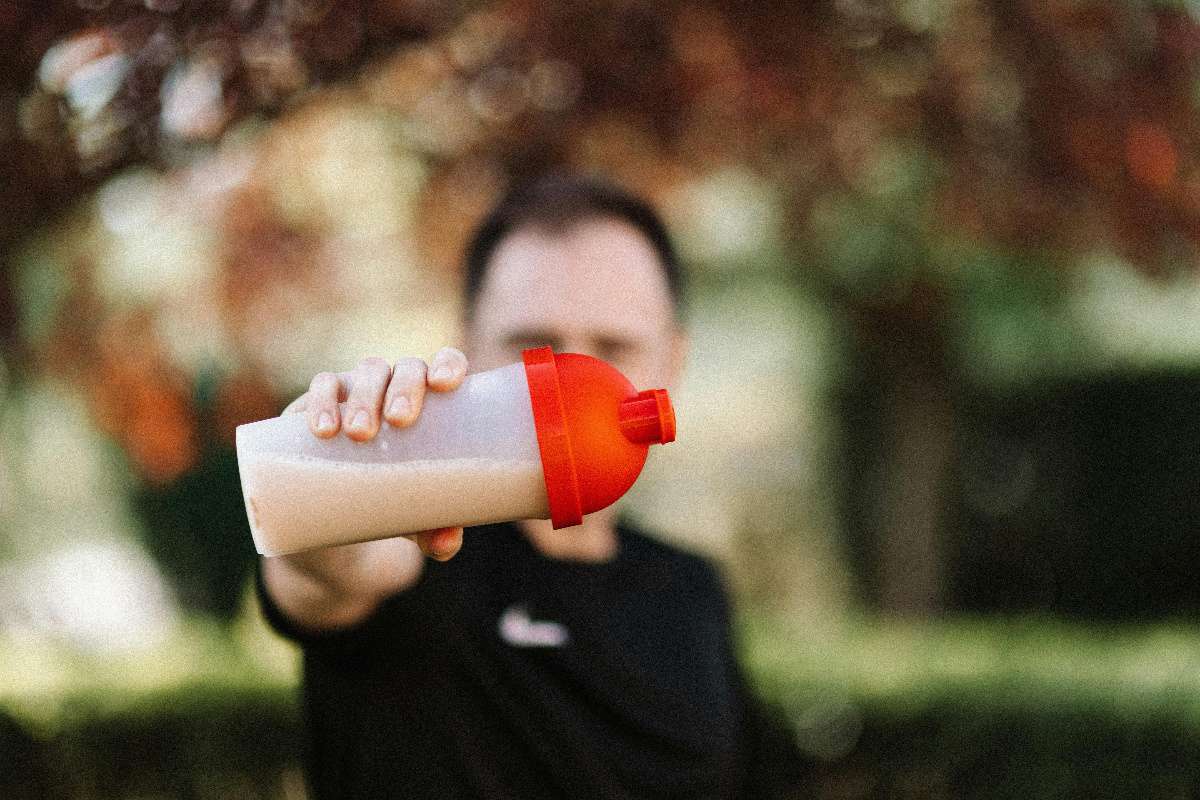
Whey protein has become a go-to supplement for gym-goers, bodybuilders, and anyone trying to gain weight or build muscle. But recent reports about lead contamination in some protein powders have left many people worried — and rightly so.
Let’s break down what’s really happening, what it means for your health, and how to stay safe.
🧴 What Is Whey Protein and Why It’s So Popular
Whey protein is a high-quality protein made from milk during the cheese-making process. It’s packed with amino acids that help in muscle repair, recovery, and weight gain.
Most fitness enthusiasts take it daily — often without realizing that poor-quality products might contain heavy metals like lead, which can slowly harm the body.
☠️ What Happens If There’s Lead in Your Protein Powder?
Lead is a toxic metal that has no nutritional benefit and is harmful even in tiny amounts. It can enter protein powders through contaminated raw materials, unclean equipment, or poor manufacturing practices.
If consumed regularly, lead can slowly build up in your body. This buildup may cause:
- Fatigue and weakness
- Stomach pain or nausea
- Headaches and irritability
- High blood pressure
- Nerve and kidney damage
- In children or pregnant women, it can affect brain development and fetal growth
⚖️ What’s the Safe Limit of Lead in Whey Protein?
There’s actually no completely safe level of lead exposure — even small doses can be harmful if taken over time. However, international food safety guidelines provide an idea of what’s considered “tolerable.”
🧠 What to Do If You Think You’ve Consumed Lead
If you suspect that your protein powder might contain lead or you’ve consumed a contaminated product:
- Stop using it immediately.
Don’t take any more until the brand confirms it’s safe. - Stay hydrated.
Water helps flush toxins from your system. - Eat foods rich in iron, calcium, and vitamin C.
These nutrients can help reduce lead absorption in the body. - Visit your doctor for a blood test.
A simple test can detect lead levels in your blood. - Report the brand to your local food safety authority if contamination is confirmed.
🛡️ How to Protect Yourself from Contaminated Protein Powders
- Always buy certified and lab-tested brands
- Look for third-party testing labels (like ISO or NABL)
- Avoid buying powders in loose or unsealed packaging
- Check for any metal contamination reports online before purchasing
- Store your supplement in a cool, dry place
✅ The Bottom Line
Whey protein can be a great addition to your diet — but only if it’s clean and safe. Lead contamination is a serious issue, and while small traces may appear harmless, long-term exposure can quietly damage your health.
When in doubt, stick to trusted brands that publish their quality and safety test results.
Your fitness journey should make you stronger — not put your health at risk.
Leave a Reply