
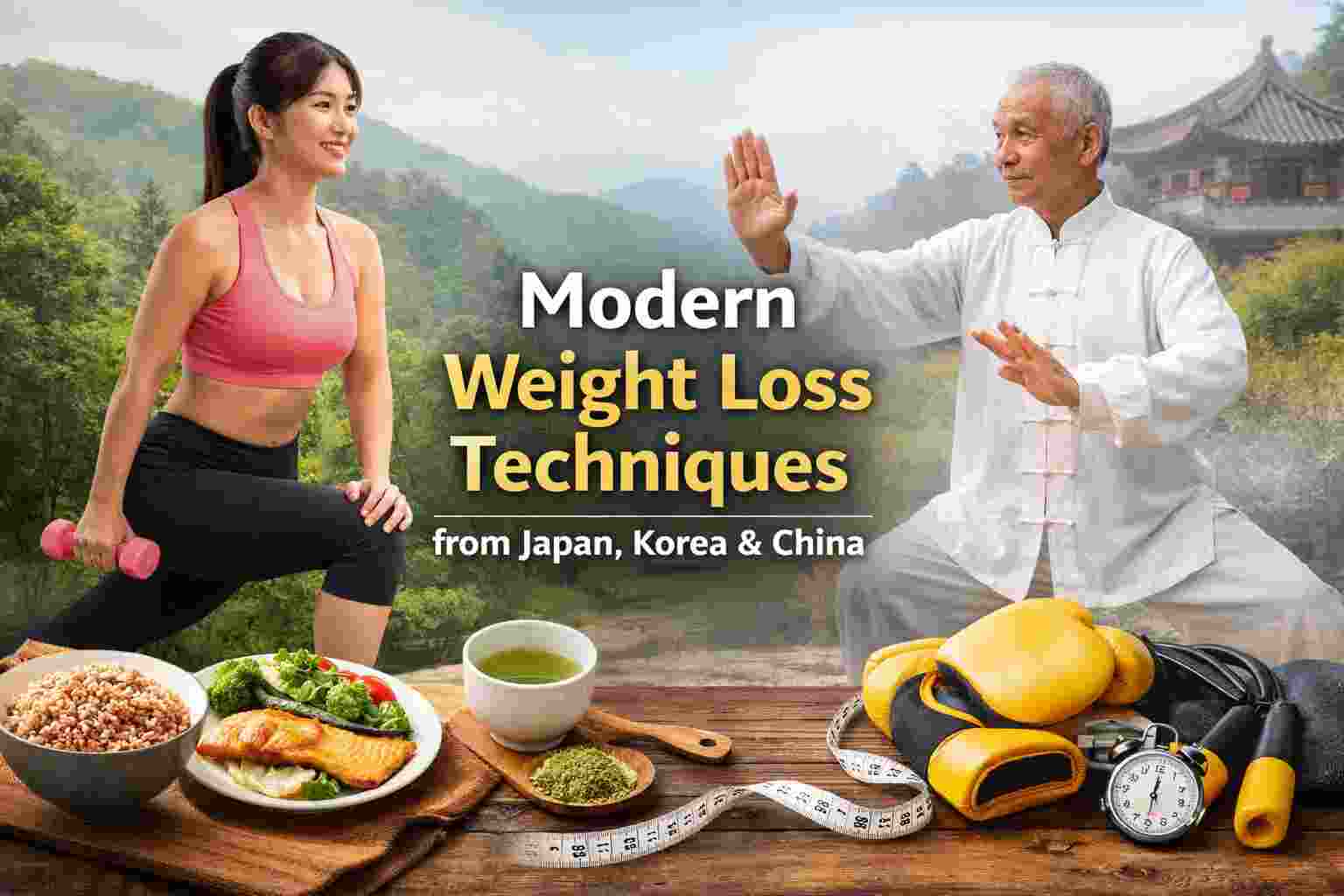
Weight reduction is no longer limited to strict dieting or long hours at the gym. Across the world—and especially in Asian countries such as Japan, South Korea, and China—weight management is approached as a combination of science, lifestyle balance, and traditional wisdom. These regions focus not only on losing weight but also on improving metabolism, digestion, posture, mental well-being, and long-term health.
Instead of aggressive methods, most Asian techniques emphasize sustainability, meaning weight loss that is gradual, natural, and easier to maintain over time.
How Modern Weight Reduction Techniques Actually Work
At a basic level, weight loss happens when the body burns more calories than it consumes. However, modern techniques go deeper than this simple equation. They work by improving metabolic rate (the speed at which your body burns calories), balancing hormones such as insulin and cortisol, reducing inflammation, and increasing muscle mass. Muscle is important because it burns more calories than fat even at rest.
Asian approaches also focus strongly on stress management and digestion, because chronic stress and poor gut health are now known to be major contributors to stubborn fat, especially around the belly.
High-Intensity Interval Training (HIIT) and Its Asian Adaptations
One of the most popular global techniques today is High-Intensity Interval Training, commonly known as HIIT. This method involves short bursts of intense activity followed by brief rest periods. For example, you may sprint for 30 seconds and then walk for one minute, repeating this cycle several times.
HIIT is effective because it creates something called EPOC (Excess Post-Exercise Oxygen Consumption). This means your body continues to burn calories even after the workout is finished. In countries like South Korea and Japan, HIIT is often modified into low-impact versions, making it suitable for people who may not want high stress on their joints.
This technique is especially helpful for belly fat, as abdominal fat responds well to workouts that increase heart rate and improve insulin sensitivity. When combined with light strength training, HIIT also helps tone the thighs and arms.
Japanese Weight Reduction Philosophy: Balance Over Restriction
Japan is known for its long life expectancy, and weight management there focuses more on daily habits than short-term results. One widely followed principle is “Hara Hachi Bu,” which means eating until you are about 80% full. This practice naturally reduces calorie intake without making a person feel deprived or hungry.
Along with mindful eating, Japanese fitness routines often include light resistance exercises and regular walking. These activities keep the metabolism active throughout the day and prevent fat accumulation. This approach is especially effective for people looking for overall weight reduction rather than targeting a single body part.
Korean Fitness Trends: Movement, Posture, and Body Shaping
South Korea has developed its own modern fitness culture that blends dance, resistance training, and flexibility exercises. These routines are often referred to as K-Fitness. They focus on fluid movements that engage multiple muscle groups at the same time.
Another popular concept in Korea is fascia stretching. Fascia is the connective tissue that surrounds muscles. When fascia becomes tight, it can affect posture and make certain body areas appear bulkier or uneven. Stretching this tissue improves movement efficiency, posture, and circulation, which helps the body look leaner even before significant weight loss occurs.
These methods are particularly beneficial for reducing fat and improving shape around the waist, hips, and thighs, areas where many people struggle despite regular exercise.
Chinese Approaches: Traditional Medicine and Gentle Movement
China’s weight reduction methods are deeply influenced by Traditional Chinese Medicine (TCM). TCM views weight gain as an imbalance in the body’s energy system, digestion, and fluid metabolism. Practices like acupuncture and carefully selected herbal remedies are often used to support metabolism and reduce water retention.
In terms of movement, exercises such as Tai Chi and Qigong are commonly practiced. These are slow, controlled movements combined with deep breathing. While they may look gentle, they help regulate stress hormones, improve balance, and enhance digestion. Since stress is a major factor behind belly fat, these techniques indirectly support fat loss, especially in people who experience emotional or stress-related weight gain.
Nutrition Practices Influenced by Asian Diets
Asian countries emphasize low-glycaemic index (Low-GI) foods. The glycaemic index measures how quickly a food raises blood sugar levels. Foods with a low GI digest slowly, keeping blood sugar stable and reducing fat storage.
Meals typically include whole grains, vegetables, lean protein, and fermented foods such as kimchi, miso, and natto. Fermented foods improve gut bacteria, which plays an important role in metabolism and appetite control.
Another widely used element is green tea and matcha, which contain a compound called EGCG (Epigallocatechin Gallate). EGCG supports fat oxidation, meaning it helps the body use fat as an energy source, especially when combined with regular movement.
Which Techniques Work Better for Specific Body Areas?
It is important to understand that the body does not lose fat from only one chosen spot. This is known as the myth of spot reduction. However, certain techniques can improve muscle tone and fat loss in specific areas when combined with overall weight reduction.
For belly fat, techniques that reduce stress and improve metabolism work best. HIIT, core-strengthening exercises, mindful eating, and calming practices like Tai Chi are particularly effective here.
For thighs and hips, resistance training such as squats, lunges, and band exercises helps reshape the area by building muscle and increasing calorie burn. Korean-style functional workouts are especially useful.
For arms, light weight training and resistance bands help tone the muscles, making the arms look firmer as fat gradually reduces.
For the hips and glutes, exercises that activate the glute muscles—such as bridges and step-ups—are effective in improving shape and firmness.
For the chest and upper body, strength-based movements like push-ups and rowing exercises help improve muscle definition and posture, contributing to a more balanced appearance.
Final Takeaway
The most successful weight reduction techniques today do not focus on extreme dieting or exhausting workouts. Instead, they combine movement, nutrition, stress management, and consistency. Asian countries, in particular, show us that long-term health and gentle discipline often lead to better and more sustainable results.
By understanding how these methods work and choosing the right combination for your body, weight reduction becomes not just achievable, but also healthier and more enjoyable.
Leave a Reply